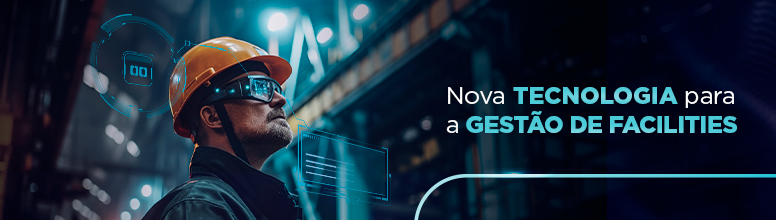
Digital transformation has driven new solutions for facilities management, maintenance, and technical operations. In this context, Cushman & Wakefield has begun using a wearable device in Brazil that enhances connectivity between field technicians and remote specialists, thereby creating a new model for operational support.
Furthermore, the initiative reflects a growing trend in the sector: the use of technology to increase efficiency, reduce costs, and improve safety and governance standards in critical environments.
Remote Support for More Agile Operations
This model enables field technicians to receive real-time remote support from specialists located anywhere. As a result, activities such as maintenance, inspections, and emergency response benefit from faster and more effective responses.
In addition to reducing travel time, the solution helps lower operational costs and boost team productivity. At the same time, it enables the centralization of specialists, who can now serve multiple sites simultaneously, optimizing the use of skilled labor.
As a result, facility management operations become more efficient, with less reliance on travel and greater service continuity.
Greater governance and control over operations
The technology also enhances the level of control and traceability of facility management activities. Thus, processes such as audits, inspections, technical rounds, and inspections—including thermographic analyses—can be monitored remotely, maintaining quality and compliance standards.
With real-time monitoring, managers and clients gain a more complete view of operations. This model replaces static photographic records with dynamic information, improving transparency and decision-making.
Furthermore, remote supervision contributes to workplace safety by reducing exposure to risks during technical interventions and enabling continuous monitoring of critical procedures.
Applications in critical environments and distributed operations
The solution was developed for applications in maintenance, auditing, inspection, and process optimization projects. Furthermore, the technology is highly suited to critical environments, such as data centers, hospitals, and multi-site operations, especially in contexts that require a high level of control, standardization, and rapid response.
Currently, the program is in a pilot phase with some clients in Brazil. The next stage involves integration with artificial intelligence capabilities to expand activity automation and operational efficiency.
Growth of Facility Management in Brazil
The adoption of new technologies accompanies the expansion of the facility management market in the country. In this scenario, technology ceases to be merely an operational support tool and begins to assume a strategic role. Thus, it contributes to process optimization, cost reduction, and increased safety in operations.
Cushman & Wakefield is keeping pace with this transformation and developing facility management solutions focused on operational efficiency, safety, and governance. To learn more about the company’s initiatives and services, visit the Facility Management section of the website or contact the company’s experts.
Click here to learn more about our Facility Management services.